
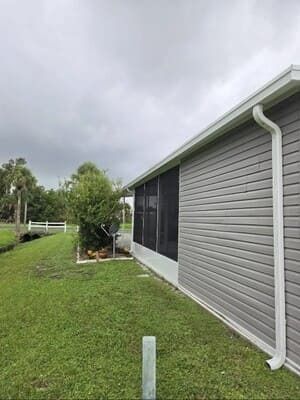
Exterior Walls That Block Heat and Moisture
Siding Services in Fort Myers for properties where aging exterior cladding allows water penetration, insulation failure, and accelerated cooling costs
Vinyl and fiber cement siding function as the primary barrier against rain intrusion and radiant heat, but both materials fail when fasteners are driven too tight or panels aren't spaced to allow thermal expansion. Carports by design replaces damaged or outdated siding across residential and light commercial properties in Southwest Florida, where afternoon thunderstorms and intense solar exposure degrade exterior surfaces faster than in temperate regions. The installation process includes removing old cladding, inspecting sheathing for water damage or mold growth, and applying a weather-resistant barrier before the new siding is fastened with enough clearance to shift as temperatures change throughout the day.
Proper siding installation addresses not just appearance but also the drainage plane behind the panels, which directs water downward and away from the structure rather than allowing it to migrate into wall cavities. Fiber cement siding resists termite damage and won't ignite if embers land on it during brush fires, while vinyl siding costs less and requires no painting, though it can become brittle after years of ultraviolet exposure in Florida's sun.
Request a siding consultation to evaluate your current exterior condition and review material options that match your building's architecture.
What Changes After Siding Replacement
New siding transforms how the building envelope performs by sealing gaps that allowed conditioned air to escape and outdoor humidity to enter, which reduces the runtime on your HVAC system and lowers indoor moisture levels that lead to mold growth. The work involves cutting panels to fit around windows, doors, and utility penetrations, then caulking all seams and trimming joints so water can't seep behind the cladding.
After installation, you'll see clean lines without warping, buckling, or discoloration, and the exterior no longer shows water stains beneath window sills or at corners where old caulking had failed. Indoor temperatures become easier to maintain because the thermal barrier is continuous, and exterior noise from rain or wind diminishes because the new cladding fits tightly against the substrate.
Siding profiles vary from traditional horizontal lap styles to vertical board-and-batten designs, and color selection affects heat absorption—lighter shades reflect more solar radiation and keep wall surfaces cooler. The siding must be installed with corrosion-resistant fasteners since standard steel nails rust quickly in coastal air, and trim pieces around openings require flashing that overlaps in the correct sequence to direct water outward at every junction.
Common Questions About This Service
Property owners in Southwest Florida face specific concerns about material performance, storm resistance, and maintenance requirements for exterior cladding.
What siding material performs best in Florida's humidity and heat?
Fiber cement siding resists moisture absorption and doesn't support mold growth, while vinyl siding handles humidity well but can fade or become brittle after prolonged sun exposure, so the choice depends on whether you prioritize durability or lower upfront cost.
How does new siding affect cooling costs?
Properly installed siding closes gaps in the building envelope and works with the underlying insulation to reduce heat transfer, which can lower air conditioning costs by ten to fifteen percent depending on the condition of the old cladding.
Can siding be installed over existing materials?
Installing new siding over old creates a double layer that traps moisture and hides underlying damage, so removal of the original cladding allows inspection of the sheathing and ensures the drainage plane functions correctly.
What maintenance does siding require after installation?
Vinyl siding needs occasional washing to remove mold and mildew, while fiber cement siding requires repainting every ten to fifteen years, and both materials need caulking inspections at trim joints to prevent water infiltration.
How long does a typical siding replacement take?
Most residential projects are completed in one to two weeks depending on building size and the extent of sheathing repairs needed, and work progresses in sections so the structure remains weather-protected throughout the installation.
Carports by design provides detailed estimates that include material costs, labor timelines, and options for color matching or architectural upgrades. Contact the company to schedule a property assessment and review siding solutions for your exterior renovation.